
Clinic for Implant
&
Orthodontic Dentistry, procedures explained, offers, information,
Dental Implant Problems After Treatment Abroad or With Another Dentist – Support Available in Worthing
Dental implants are widely recognised as one of the most reliable and long-lasting solutions for replacing missing teeth. In recent years, many UK patients have chosen to travel abroad for implant treatment in countries such as Turkey, Romania, Portugal, Albania and India, often attracted by shorter waiting times or lower upfront costs. Others may have had implants placed elsewhere in the UK but later lost contact with their original dentist due to relocation, retirement, or changes in circumstances.
While many implant treatments are completed successfully, it is not uncommon for patients to experience concerns after returning home. These issues may arise months or even years after the original procedure and can create significant inconvenience when follow-up care is not easily accessible. For patients living in Worthing and the surrounding areas, obtaining professional local support becomes essential for maintaining long-term implant health and comfort.
Common problems patients experience with existing implants:
Patients who have received implants abroad or with another provider often contact our practice because of:
Loose implant crowns or bridges, which may affect chewing or comfort
Food trapping or difficulty cleaning around implant restorations
Inflamed or bleeding gums surrounding implants, sometimes linked to peri-implant disease
Broken ceramic, fractured screws, or worn components
Discomfort when biting or changes in how the teeth meet
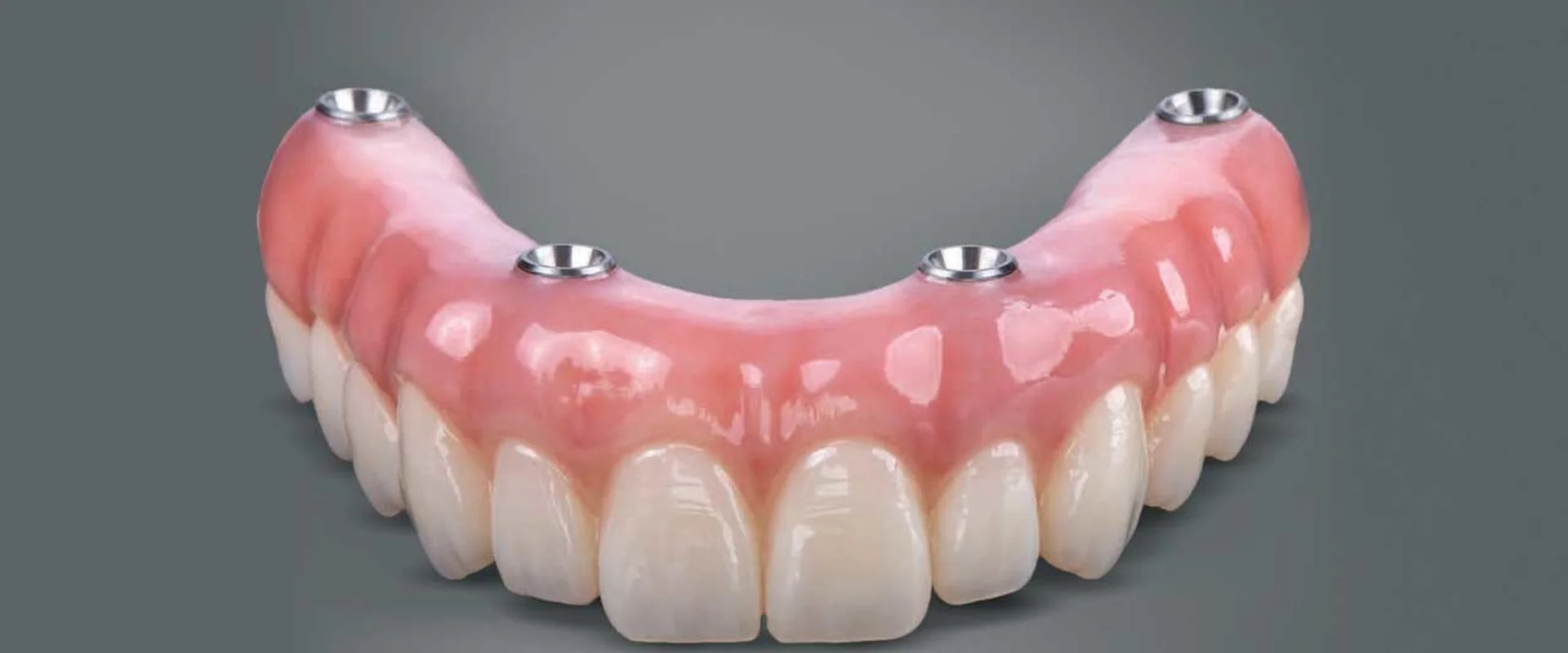
The need for routine maintenance of full-arch bridges such as All-on-4 or All-on-6
Full-arch implant bridges in particular require regular professional removal, deep cleaning, and refitting by a dentist who has the correct tools and clinical experience. Without proper maintenance, plaque accumulation and inflammation can develop, potentially threatening the long-term success of the implants.
Travelling abroad or across the UK each time maintenance is required is often impractical. Many patients therefore seek a trusted local dentist who is willing and able to assess and manage implants placed elsewhere.
Can another dentist treat implants placed by someone else?
Yes—in many cases this is possible, provided the dentist has sufficient implant experience and access to compatible instruments and components. Modern implant dentistry involves numerous implant brands, connection types, and screw systems. Successful servicing or repair depends on accurately identifying the original implant system and using the correct tools.
At our Worthing practice, we have extensive clinical experience with a wide variety of implant systems and maintain access to many of the specialised drivers, screws, and restorative components required for assessment and repair. Depending on the situation, treatment may include:
Retightening or replacing loose implant screws
Repairing or remaking crowns and bridges
Removing full-arch bridges for professional cleaning and maintenance
Treating inflammation around implants
Providing new restorations where existing work cannot be repaired
Offering long-term maintenance planning and monitoring
Each case is assessed individually to determine the safest and most appropriate solution.
The importance of the implant passport or documentation.
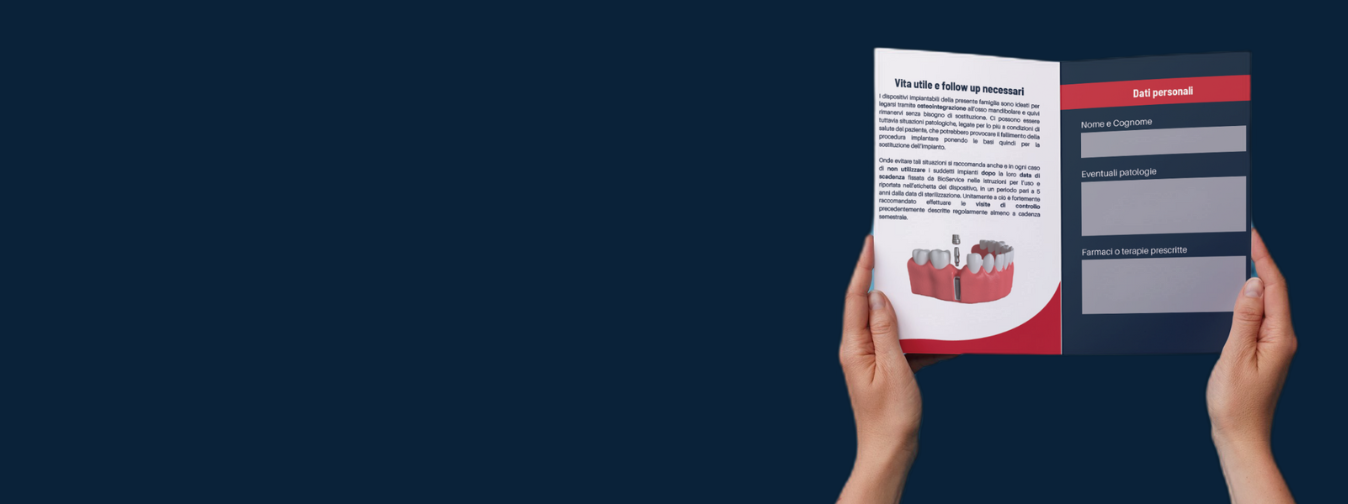
One of the most critical factors in treating implants placed elsewhere is the implant passport (sometimes called an implant card or treatment record). This document is usually provided by the original dentist and contains essential information such as:
Implant brand and manufacturer
Implant model and size
Connection type and screw system
Date of placement and restoration details
Having this information allows a new dentist to quickly identify the correct components and tools needed for safe treatment.
Without an implant passport, identification becomes significantly more difficult.
In some situations, radiographs and clinical examination may help narrow down possibilities, but exact confirmation is not always achievable. This can limit treatment options or increase complexity. For this reason, patients are strongly advised to keep their implant documentation safe and bring it to any consultation.
Maintenance is essential for long-term implant success
Dental implants are highly successful, but they are not maintenance-free. Just like natural teeth, implants require:
Daily home cleaning with appropriate brushes or flossing aids
Regular professional hygiene visits
Periodic clinical review and radiographic monitoring
Timely management of any loosening, wear, or inflammation
Neglecting maintenance can lead to peri-implant mucositis or peri-implantitis, conditions that may cause bone loss and, in severe cases, implant failure. Early professional care significantly improves the chances of long-term stability.
Patients who had treatment abroad are sometimes unaware of the recommended UK maintenance schedule, which makes local follow-up even more important.
Our approach to assessing implants placed elsewhere:
When a patient attends our Worthing clinic with an existing implant, the first step is always a comprehensive consultation. This typically includes:
Full clinical examination of the mouth and implant restorations
Radiographs where required
Review of any implant passport or previous records
Discussion of symptoms, concerns, and expectations
Clear explanation of available treatment options and costs
Only after careful assessment do we recommend the most suitable course of action. In some cases, simple servicing is sufficient. In others, replacement of the crown or bridge may provide a better long-term outcome.
Our aim is always to provide safe, ethical, and evidence-based care, focused on restoring comfort, function, and confidence.
Convenient local care in Worthing
For patients living in Worthing, Brighton, West Sussex, and nearby areas, accessing reliable implant support close to home removes the stress of long-distance travel. Local care means:
Faster appointments when problems arise
Ongoing maintenance without international travel
Clear communication and continuity of care
Support from a UK-regulated dental team
This is particularly valuable for patients with full-arch implant bridges, which require regular professional removal and cleaning to remain healthy.
When to seek professional advice?
You should arrange a dental assessment if you notice:
Movement or looseness in an implant crown or bridge
Pain, swelling, or bleeding around an implant
Difficulty chewing or changes in bite
Damage to the visible restoration
Bad taste, odour, or signs of infection
It has been more than a year since your last implant review
Early intervention is usually simpler, less invasive, and more cost-effective than waiting until a serious complication develops.
Book a consultation
If you have dental implants placed abroad or with another dentist and are experiencing concerns—or simply wish to arrange routine maintenance—professional local help is available.
You can contact our Worthing practice on 01903 821822 or visit www.dental-worthing.co.uk
To request a consultation. Bringing any implant passport or previous records will help us assess your situation more efficiently. Our team will be pleased to provide clear guidance, practical solutions, and ongoing support to help you maintain a healthy, comfortable smile for the long term.

Top 5 Sources of Dental Implant Pain When "There's Nothing Wrong with the Implant"- By Dr Amir Mostofi, DDs Dip MSc
Experiencing pain after a dental implant, even when everything looks fine? Explore the top 5 reasons behind post-implant discomfort and find solutions to ensure a comfortable journey towards a perfect smile.
If you've recently had a dental implant and are experiencing pain even though everything seems normal, you're not alone. This article aims to explain the top 5 reasons behind dental implant pain when there's no apparent issue with the implant itself, in a way that's easy for patients to understand.
1. Violations of the Inferior Alveolar Canal (IAC):
The IAC is a canal that houses the inferior alveolar nerve (IAN), which plays a crucial role in sensation for your lower jaw. Sometimes, the IAN takes a unique path, forming what's called an "anterior loop." Trauma to this area during implant placement can lead to sensory disturbances, bleeding, and pain. Recent research suggests that getting closer to the IAC may not be as risky as previously thought, as long as the nerve isn't directly affected.
2. Violations of Branches in the Mandibular Canal:
Traditionally, we've considered the IAC as a single canal to be avoided during implant surgery. However, it's now known that smaller branches can exist alongside the main canal, creating a network. If these branches are accidentally disturbed during surgery, it can result in pain. These branches are often missed because they aren't widely recognized, but they can show up on X-rays or CT scans.
3. Inadequate Keratinized Tissue:
Keratinized tissue is the protective, tough tissue that surrounds your implant crown. Some studies suggest that not having enough of this tissue (usually at least 2 mm wide) can lead to pain, especially when you touch or use the implant, like when brushing or eating. Fortunately, this issue can often be resolved by adding more tissue through a soft-tissue graft.
4. Poor Bone-to-Implant Contact:
Even if an implant looks fine on X-rays and CT scans, it's possible that the bone around it isn't providing a secure foundation. This can happen when fibrous tissue forms around the implant instead of sturdy bone. This may not be visible in regular exams, but patients can still feel pain when using their implant, especially when it's fitted with a crown. A resonance frequency analysis machine can help diagnose this issue by measuring the strength of the implant-bone connection.
5. Predisposing Risk Factors:
Sometimes, pain after implant surgery can be linked to factors that exist within your medical or genetic makeup. Conditions like fibromyalgia, temporomandibular disorders, and depression/anxiety can make you more prone to experiencing pain. This type of unexplained pain often falls under the category of "peripheral painful traumatic trigeminal neuropathy" (PPTTN).
In summary, if you're feeling pain after a dental implant, even when everything looks fine, it's important to consider these factors before assuming it's psychosomatic. There are various reasons behind implant-related pain, and a thorough evaluation is essential to pinpoint the cause accurately. Your dental professional can help you identify and address the issue, ensuring your dental implant journey is as comfortable as possible.

Diet Advise following Full Jaw Implant Surgery.
All-on-4 implant surgery is a treatment option for those with periodontal disease or tooth decay. The procedure involves placing implants in the jaw to support a full arch of replacement teeth. After the surgery, patients can expect some adverse effects, including minimal oozing, swelling, tense jaw and facial muscles, and site-specific pain. These symptoms are temporary and can be managed with over-the-counter pain medication. It is important to rest for the first three to four days, then gradually resume normal activities and exercise.
All-on-4 implant surgery is a thorough and successful treatment for periodontal disease and tooth decay, in cases where an entire upper or lower arches are missing or irreparable. Before the benefits of All-on-4 implant surgery take full impact, you can anticipate certain adverse effects after surgery. Possible symptoms include:
- Minimal oozing
- Swelling
- Tense jaw and facial muscles
- Sore throat and/or trouble swallowing
- Site-specific pain
If you experience adverse effects, they are transient and often subside after one week. Any pain or discomfort can be alleviated with over-the-counter drugs such as Paracetamol, Aspirin, or Ibuprofen.
It is very imortant to rest for the first three to four days. After that period of time, and as tolerated, you may resume normal activities and exercise.
However, dietary limitations last longer. These constraints can be divided into two time categories:
- First three weeks after surgery
- From three to six weeks after surgery
Knowing which foods are acceptable to eat following the surgery are crucial, as they will help you with the following;
- Reduces the impact of any pain and/or swelling
- Promotes a rapid recovery
- Maximise the benefits of your All-on-4 operation
If you already have dietary restrictions due to a medical condition (such as diabetes), you should visit a physician or trained nutritionist for advice.
Blender for soft food diet - after surgery, a blender will be your best buddy.
3 Weeks Post-Surgery: Eating on a Liquid Diet
Your mouth, jaw, and throat are likely to be painful for either a few days or up to three weeks after surgery, however any pain or swelling will progressively lessen. As a result, eating might be unpleasant or challenging. During this time a liquid diet without chewing is required.
Here are some considerations to make during this time period;
- The majority of pain post surgery is felt immediately after the surgery. It may be challenging to open your mouth and swallow. If your jaw feels rigid, making it difficult to open your mouth, try massaging it with an ice pack.
- Liquids can be consumed shortly after surgery. In the first 48 hours, you should only consume cool liquids. If you intend to consume something hot, do so until after the anaesthetic has worn off and all bleeding has ceased. It is best to avoid hot or spicy liquids until the third or fourth postoperative day.
- Hydration is key! It's important to consume a great deal of fluids, but in tiny quantities and often throughout the day. Once the anaesthetic has worn off and you feel comfortable enough, you should consume clear fluids shortly after surgery. Fluids will restore and maintain the tissue's moisture for optimal healing, regardless of whether there is drainage following the procedure.
- You will experience hunger as a result of consuming just liquids and avoiding solid foods for the first three weeks following All-on-4 implant surgery. In addition, optimal nutrition is necessary to avoid illness and accelerate recovery. Ensure that the fluids you consume during the day are nutrient-rich and that you consume them often. Given that you have just undergone oral surgery, it is expected that your intake would be lower than usual. However, you must bear in mind that nourishment is essential to healing, and without it you may experience a delay. Following is a list of foods that can be consumed during the first one to two weeks following surgery.
Important - do NOT use a straw when consuming liquids or liquidised food. The sucking movement might loosen blood clots, causing more bleeding and delaying the healing process.
What foods may I consume during this time?
There are numerous liquid foods that can be consumed during the first three weeks following All-on-4 implant surgery. The following are examples of consumable liquids;
- Soup broths (bouillon - beef, poultry, and vegetable)
- Creamy soups (without solids)
- Coconut liquid
- Kefir drinks
- Fruit juices
- Tea/coffee
- Warm cocoa
- Milk, including all forms of cow milk, from fat-free to whole
- Milk derived from nuts or peas
- Milkshakes
- Yogurt drinks
- Meal substitute shakes
- Protein shakes
- Smoothies
- Sodas
- Gelatine (e.g. Jelly)
- Custard
- Ice cream
- Frozen fluids, like fruit ices or popsicles
- Frozen yoghurt
When consuming milkshakes, yogurt drinks, fresh fruit jucies, smoothies and protein shakes, the consistency should be light enough for easy sipping. As the days pass and you feel you can stomach it, you can consume heavier shakes.
When you need to increase your calorie intake, put the following foods in your shakes:
Whites of powdered eggs, milk powder products, instant breakfast mixes (e.g., instant oatmeal), butter, margarine, or oil, sugar, syrup, or honey, or brewing yeast.
Sample Menu for first three Weeks After Surgery
Following is an example of a one-day menu for a fluid diet immediately following All-on-4 surgery. It is vital to note that you should have snacks to ensure that you receive the necessary nutrients and calories for recuperation.
Breakfast
- Fruit juice or smoothie
- Cup of tea or coffee
- Yogurt
- Glass of water
Breakfast Snack
- Glass of fruit juice
- Glass of water
Lunch
- Meal replacement drink
- Cup of broth
- Jelly
- Glass of water
Dinner
- Cup of broth or soup that has been strained
- Cup of fruit juice
- Yogurt
- Glass of water
Evening Snack
- Ice cream or frozen yogurt
- Warm cocoa
- Glass of water
3 weeks to up to 6 weeks after surgery; A soft food diet
After the pain subsides, you will feel more capable of transitioning from a liquid diet to a soft food diet. During the weeks and months following surgery, it is vital to remember that your jaw is still mending and the implants are attempting to integrate.
The process by which the jaw creates a biological bond with the implant screws is known as osseointegration. To ensure that this occurs correctly, you must continue to monitor your diet.
During the inital three months, you MUST avoid consuming meals that are - heard, chewy or crunchy and that require less chewing.
What foods may I consume during this time?
After three weeks, the following are examples of things you can add to your diet;
- Anything that is mashed or puréed, such as - mash potato, fruits, vegetables
- Everything soft, such as - bananas and melons
- Everything in a can and lacking skin and seeds
- Anything baked or cooked to a tender texture
- Soft breads, cakes
- Cooked pasta (soft)
- Noodles
- Quinoa, cous cous
- Eggs - poached, scrambled
- Pureed sauces
Example Menus for three weeks to six weeks:
This is a sample menu for a one-day soft food diet after surgery. It is vital to note that you should have snacks to ensure that you receive the necessary nutrients and calories for recuperation.
Breakfast
- Scrambled eggs on soft bread
- Fruit juice or smoothie
- Cup of tea or coffee
- Yogurt
- Glass of water
Breakfast Snack
- Bowl of soft fruit
- Glass of fruit juice
- Glass of water
Lunch
- Soup
- Stir fry with soft vegetables and noodles
- Jelly
- Soft fruits
- Glass of water
Dinner
- Meat cooked to a tender texture with mashed potato
- Cup of fruit juice
- Soft cake wirh custard or cream
- Glass of water
Several Important Suggestions for the Recuperation Period
Utilize a food blender or processor. If you can combine some of your favourite foods, you can better appreciate the fluid/soft food diet restrictions during the first several weeks of recuperation.
If you enjoy your food, you are more likely to consume sufficient calories and nutrients to help the healing process. Take initiative. When you decide to undergo this procedure, begin investigating what foods you can and cannot consume. This can include recipes for various shake and smoothie varieties. This can also help you stock up on food before surgery so that you are prepared to eat after you get home to recover.
Observe your body. Adjust your intake if you ever feel like you are not getting enough or are perhaps getting too much. Ask relatives for support. And get ~plenty of rest.
How about...
What about unmentioned details? You have learnt primarily what meals you can eat and a small amount about those you should avoid. But there are certain foods and beverages that we are commonly questioned about;
- Do not consume nuts or similar items - these will be far too hard and crunchy for your jaw
- Avoid hot and spicy liquids 24 to 48 hours after the surgery
- During the recovery phase, excessive alcohol consumption should be avoided, as alcohol consumption can impair the dental implants.
You can always consult the dental surgeon should you have any enquiries.
When not to have full jaw implants?- By Dr Amir Mostofi DDS, Dip. MSc
The reasons that follow are the most common, however each case should be considered by a qualified implant dentist.
- Heavy smokers.
- Patients with severe bruxism (grinding teeth).
- Individuals taking bone loss prohibitory medications (like bisphosphonates for osteoporosis).
- Patients unable to perform routine brushing procedure.
- Patients with severe and long term systemic illness like diabetes, which might affect the healing following surgery.
- Radiation (to the jaws) & chemo therapy.
- Patients with cognitive decline (memory, speech, motoric, judgment and thinking).
- Very advanced age.
- Bleeding disorders.
- Bone disease.
- Severe psychiatric disorder.
