Orthodontic Retainers: Types, How Long to Wear Them, and How to Care for Them (Worthing)
After braces or clear aligners, a retainer is what keeps your teeth in their new position. Teeth can drift throughout life, and retention is the reason your orthodontic result stays stable long-term. At Clinic for Implant & Orthodontic Dentistry in Worthing, we provide retainer fitting, replacement and repair, and we advise on a retention plan that suits your bite, lifestyle and oral hygiene. In many cases, long-term (often indefinite) retainer wear is recommended.
Why are retainers so important?
Once teeth have been moved, the surrounding fibres and bone need time to stabilise. Even after that, teeth can still shift due to:
Natural ageing changes
Bite forces and chewing patterns
Teeth grinding/clenching
Wisdom tooth pressure (in some cases)
Gum disease or bone loss
A retainer helps prevent relapse and protects the time and money you invested in orthodontic treatment.
Types of orthodontic retainers:
1) Clear removable retainers (Essix / Vivera-style)
These are thin, clear plastic retainers that fit over the teeth.
Pros
Very discreet
Comfortable for many patients
Good at holding alignment when worn consistently
Cons
Can crack or wear over time
Can distort with heat (never use hot water)
Can be lost if wrapped in tissue/left in pockets
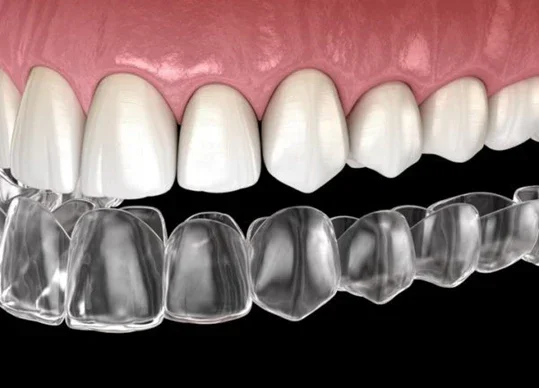
Essix retainer , Removable clear retainer
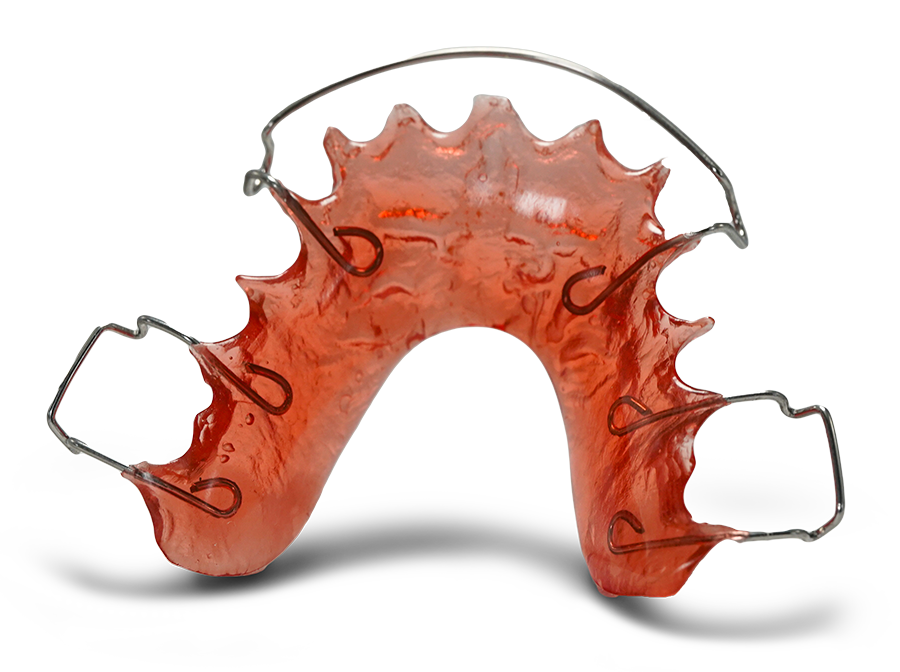
2) Hawley retainers (acrylic + wire)
A traditional removable retainer with an acrylic base and a front wire.
Pros
Durable and adjustable
Some patients find they last longer than clear retainers
Easier to repair in certain situations
Cons
More visible than clear retainers
Can feel bulkier at first
3) Fixed retainers (bonded retainers)
A wire bonded behind the front teeth (commonly canine-to-canine).
Pros
Works 24/7 (no forgetting)
Hidden behind the teeth
Excellent for preventing front tooth relapse
Cons
Requires careful cleaning
Can occasionally debond or break
Needs monitoring at check-ups
Many patients have a combination: fixed retainer + removable retainer at night.
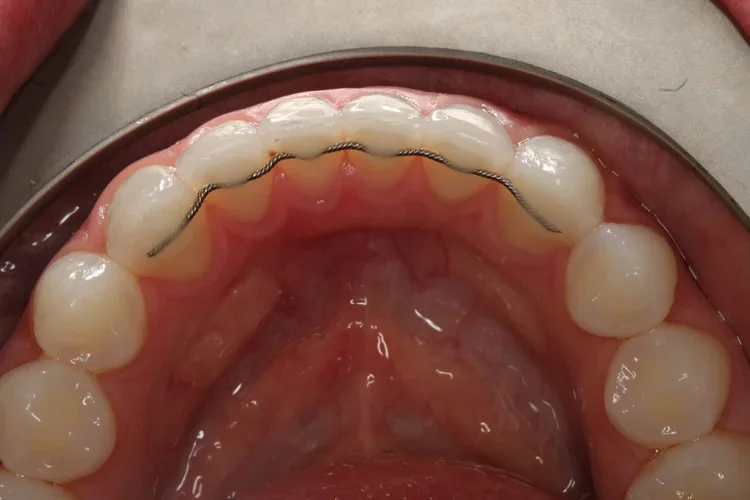
Fixed Retainer
How long do I need to wear my retainer?
Retention is very individual, but a common approach is:
Immediately after treatment
Often full-time wear for a period (e.g., 2–3 months), removing only for meals and cleaning (follow your clinician’s plan).
Long-term
Usually night-time wear indefinitely (for removable retainers).
If you stop wearing retainers completely, even years later, teeth can move.
If you’re unsure what your plan should be, we can assess your bite and advise a realistic long-term schedule.
Signs your retainer needs attention
Contact us if:
Your retainer feels tight or doesn’t fit (early sign of tooth movement)
A fixed retainer feels sharp or partially loose
Your clear retainer is cracked, worn, or has rough edges
You’ve lost your retainer
Teeth are visibly drifting or contacts feel different
Early action usually prevents bigger relapse.
How to clean retainers properly:
Cleaning clear retainers
Rinse with cool water after removal
Brush gently with a soft toothbrush (no abrasive toothpaste)
Use retainer cleaning tablets occasionally (follow instructions)
Avoid hot water (heat can warp the plastic)
Cleaning Hawley retainers
Brush daily with a soft brush and mild soap
Avoid soaking in very hot water
Keep away from pets (they often chew retainers)
Cleaning around a fixed retainer
Brush twice daily with fluoride toothpaste
Use inter dental brushes and/or super floss under the wire
Consider a water floss as an additional tool
Regular hygiene visits help reduce tartar around the wire
Retainer replacement and repair in Worthing , If you lose a removable retainer
We can usually make a replacement. The sooner you replace it, the less chance of teeth shifting.
If a fixed retainer comes loose
We’ll check:
Which teeth are affected
Whether any movement has already started
Your bite, to reduce repeat breakage
Options include re-bonding, replacing the wire, or adjusting the design if bite forces are contributing.
If your retainer no longer fits
This can mean teeth have already moved. Depending on the amount of movement, we may be able to:
Remake the retainer if alignment is still acceptable
Provide short-term orthodontic refinement if relapse is more significant
Frequently asked questions
Can I switch from a fixed retainer to a removable retainer (or vice versa)? Often yes. It depends on your bite, hygiene, and relapse risk. We can advise after an assessment.
Do I need retainers after Invisalign/clear aligners? Yes — retention is essential after aligners, just like braces.
How many retainers should I have? Many patients choose a spare removable retainer to reduce risk if one is lost or broken.
Can retainers cause bad breath? They can if not cleaned properly. Daily cleaning and regular dental hygiene solves most issues.
I grind my teeth — will that damage my retainer? Grinding can wear clear retainers faster and stress fixed retainers. A night guard may be recommended in some cases.
Book a retainer check, repair or replacement
If you need a new retainer, your fixed retainer is loose, or you’re worried your teeth are moving, contact Clinic for Implant & Orthodontic Dentistry in Worthing. We’ll assess your retention needs and advise on the most stable long-term plan.