Dental crowns in Worthing: Types, costs, process and aftercare
If you have a tooth that is cracked, heavily filled, worn down, or has had a root canal treatment, a dental crown can often be the most reliable way to restore strength and appearance. At Clinic for Implant & Orthodontic Dentistry in Worthing, we provide crowns designed to look natural and function comfortably, with careful planning so the bite feels right.
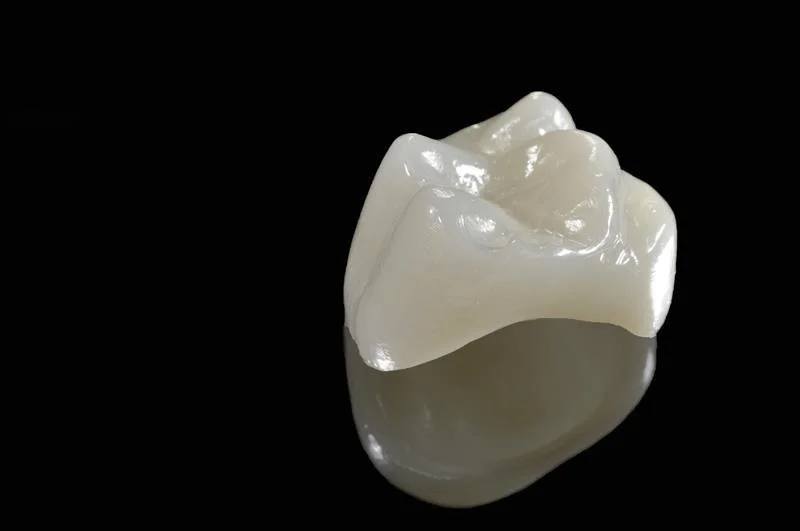
A crown is a “cap” that covers a tooth to protect it and rebuild its shape. Unlike a filling, a crown wraps around the tooth, which can make it a better option when there isn’t enough healthy tooth structure left to support a larger restoration.
When is a crown recommended?
A crown may be advised if you have:
A broken or cracked tooth
A large filling that keeps failing or the tooth is now weak
A tooth that has had root canal treatment (often more brittle afterwards)
Severe wear from grinding/clenching
A tooth that is heavily discoloured or misshapen and you want a longer-lasting cosmetic result
A dental implant (implants are restored with crowns)
If you’re unsure, an examination (and X-rays if needed) lets us confirm whether a crown is the best option or whether a filling/onlay might be more suitable.
Types of crowns (and what they’re best for)
Zirconia crowns Very strong and highly aesthetic. Often a good choice for back teeth and many front teeth where durability matters.
Porcelain (ceramic) crowns Excellent aesthetics, commonly used for front teeth. The best material depends on your bite and how much tooth shows when you smile.
Porcelain-fused-to-metal (PFM) Strong and reliable. Sometimes used where extra strength is needed, although a metal edge can occasionally show if gums recede.
Gold/metal crowns Very durable and kind to the opposing tooth. Usually chosen for back teeth where appearance is less important.
We’ll recommend the material based on the tooth position, your bite, any grinding habits, and the look you want.
How the crown process works (step-by-step)
Assessment and planning We examine the tooth, check the bite, and may take X-rays. If the tooth has decay, cracks, or gum issues, we address these first.
Tooth preparation A small amount of tooth is shaped so the crown can fit properly. We take a digital scan or impression and select a shade to match your other teeth.
Temporary crown (if needed) Many cases have a temporary crown to protect the tooth while the final crown is made.
Fit appointment We try in the crown, check the margins, contact points, and bite, then cement it. The aim is a comfortable fit that feels natural when chewing.
Does getting a crown hurt?
Most patients find it very manageable. We use local anaesthetic so the preparation is comfortable. You may have mild sensitivity for a short period afterwards, especially to cold, but it usually settles. If you grind your teeth, we may recommend a night guard to protect the crown and other teeth.
How long do crowns last?
With good oral hygiene and regular check-ups, crowns can last many years. Longevity depends on:
How well the bite is controlled
Whether you grind/clench
The amount of healthy tooth underneath
Gum health and cleaning habits
Brushing twice daily with fluoride toothpaste, daily interdental cleaning, and routine hygiene visits all help crowns last longer.
Aftercare: what to do after a crown is fitted
Avoid very hard foods on that side for the first day if advised
If the bite feels “high” or uncomfortable, contact us — a quick adjustment can make a big difference
Keep brushing as normal and clean between teeth daily
If you grind your teeth, wear your night guard consistently
Typical costs (and how to get an exact quote)
Crown fees vary depending on material and complexity. We’ll give you a clear estimate after examining the tooth and discussing options. For current prices, please see our Fees page, or contact us and we’ll be happy to advise.
Frequently asked questions: Can a crown be done in one visit?
Most crowns take two visits (preparation + fitting). Some cases may be faster depending on the workflow and complexity.
Will the crown look natural?
Yes — we select a shade to match your teeth, and modern materials (especially ceramics/zirconia) can look very lifelike.
What if my crown comes off?
Keep the crown safe and contact us. Often it can be re-cemented if it’s intact and the tooth underneath is healthy.
Is a crown better than a filling?
If a tooth is heavily filled or structurally weak, a crown can be more protective. If the tooth is only moderately damaged, an onlay or filling may be enough.
Do I need a crown after root canal?
Not always, but many root-treated back teeth benefit from a crown due to increased risk of fracture.
What if I’m nervous?
Let us know — we’ll take it step-by-step and explain each stage clearly.
Book an appointment
If you think you may need a crown (or you’ve been told you need one and would like a second opinion), contact Clinic for Implant & Orthodontic Dentistry, Worthing. We’ll assess the tooth, discuss options, and provide a clear treatment plan and estimate.