
Clinic for Implant
&
Orthodontic Dentistry, procedures explained, offers, information,

Root Canal Treatment: Common Questions Answered
Root canal treatment can raise questions about symptoms, comfort, appointments, costs and aftercare. This guide explains what may be involved and why an examination is needed.
Root canal treatment, also called endodontic treatment, is used to treat the inside of a tooth when the pulp has become inflamed or infected. This article answers common questions in general terms. An examination and, where appropriate, X-rays are needed before a dentist can confirm the cause of symptoms or recommend treatment.
For information about assessment and treatment at our private Worthing practice, see our root canal treatment service page.
What symptoms should be assessed?
Persistent toothache, pain when biting, prolonged sensitivity to hot or cold, swelling, tenderness, or a tooth that has become darker can have several causes. A cracked or heavily filled tooth can also need assessment. These signs do not by themselves confirm that root canal treatment is required.
How is the need for root canal treatment assessed?
A dentist will ask about symptoms, examine the tooth and surrounding tissues, and may use tests and X-rays. The findings help identify whether the pulp is inflamed or infected, whether the tooth is restorable and what options are reasonable. Suitability can only be confirmed after examination.
What happens during root canal treatment?
Root canal treatment removes inflamed or infected tissue from inside the tooth. The canals are cleaned, shaped and disinfected before being filled and sealed. A temporary or permanent restoration may be placed as part of the plan. The exact approach depends on the tooth and its condition.
Will root canal treatment hurt?
Local anaesthetic is normally used to make treatment more comfortable. Sensations vary, and the tooth may feel tender afterwards. Tell the clinician if you feel uncomfortable. The practice will explain what to expect and provide aftercare advice for your situation.
How many appointments will be needed?
The number and length of appointments depend on the tooth, its anatomy, the extent of infection, whether it has been treated before and the restoration required. One or more appointments may be needed. Timing is confirmed after examination and may be reviewed as treatment progresses.
Can root canal treatment always save the tooth?
No. Treatment aims to retain the tooth where this is clinically appropriate, but not every tooth can be treated or restored. Cracks, remaining tooth structure, gum and bone support, canal anatomy and response to treatment can affect the outlook. Further treatment, referral or extraction may sometimes be needed, and success cannot be guaranteed.
What happens after root canal treatment?
The tooth may need a filling or crown to restore it and reduce the risk of fracture. Follow the personalised aftercare advice provided and attend any planned review. Contact the practice if symptoms worsen or you are concerned after treatment.
How much does root canal treatment cost?
Our Fees page lists the current fee for root canal treatment. A filling or crown may be needed afterwards and is usually priced separately. The final treatment plan and cost depend on examination, X-rays where appropriate, complexity and the restoration required. Costs will be explained before treatment is agreed.
What alternatives might be discussed?
The options depend on the diagnosis and condition of the tooth. They may include monitoring, a different restoration, root canal treatment, referral, or extraction with or without a later tooth-replacement discussion. A dentist will explain the relevant benefits, limitations and costs before you decide.
What should I do next?
If you have tooth pain, swelling, sensitivity or a damaged tooth, contact a dentist for an assessment. This article provides general information and cannot replace individual clinical advice. To contact the Clinic for Implant & Orthodontic Dentistry, 7 Chapel Road, Worthing, West Sussex BN11 1EG, call 01903 821822.

Snap-On Lower Denture with Two Implants – from £4,000
A snap-on lower denture supported by two implants starts from £4,000 at our Worthing practice. Suitability and final cost depend on clinical assessment.
A lower snap-on denture supported by two implants starts from £4,000. The final cost depends on the clinical assessment, implant and attachment requirements, denture design and whether any additional procedures are needed.
For details of the removable option described in this article, see our implant-retained denture service in Worthing.
Read about removable and implant-retained denture options in Worthing.
Compare this with fixed full-jaw implant options, including All-on-4.
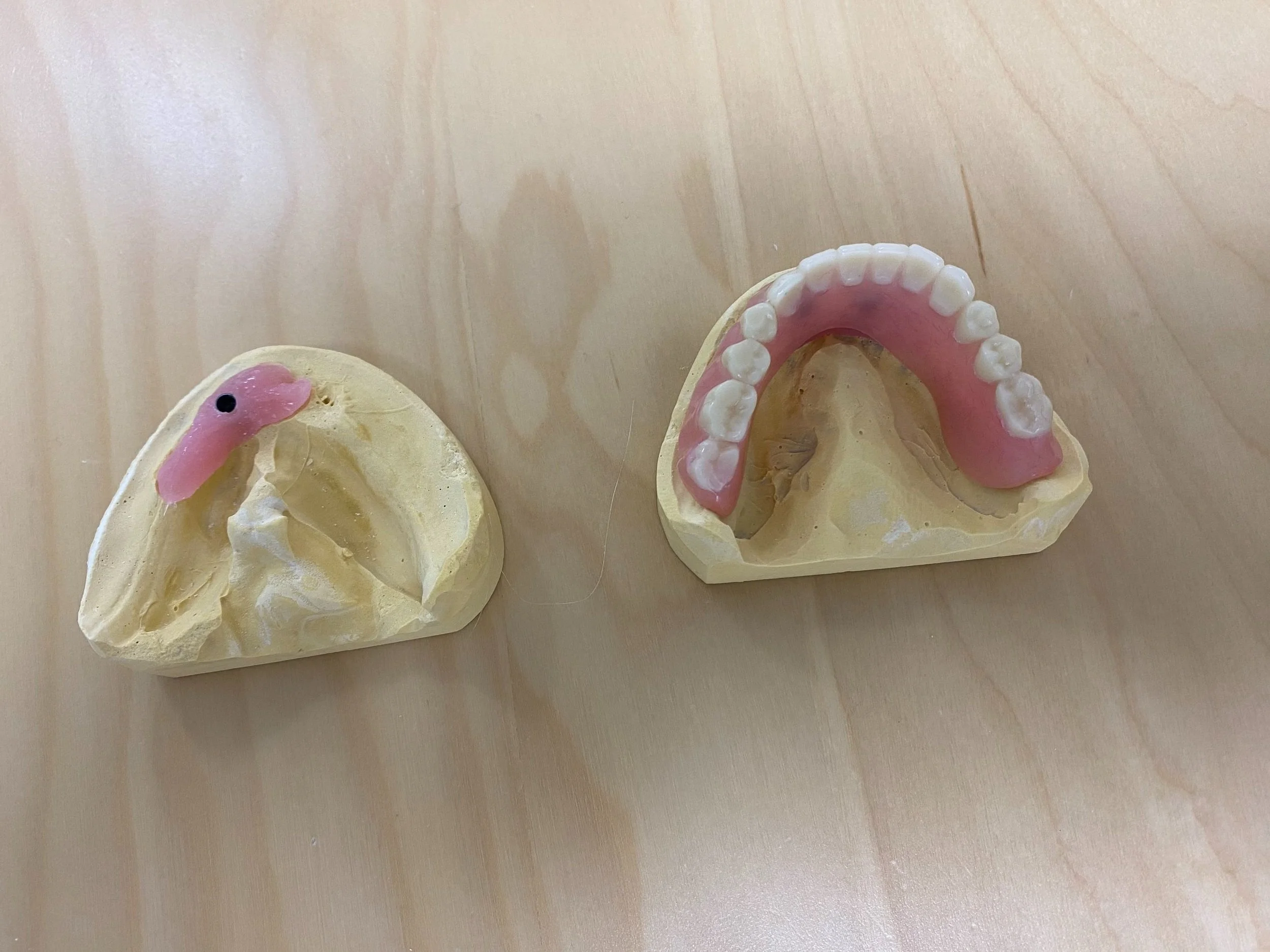
Snap-on dentures (also called implant-retained or implant overdentures) are removable dentures that “click” onto implants. They’re often chosen as a more affordable option compared with fully fixed full-arch implant bridges, while still giving far better stability than conventional dentures. For an up to date price see our fee page.
Ongoing maintenance costs
Implants need long-term maintenance, and the denture attachments will wear over time. Plan for:
Annual review and hygiene/cleaning around implants (recommended at least once per year)
Replacing the plastic retention inserts inside the denture: typically £60 – £200 (depending on type/how many)
Repairs/adjustments if needed (we always discuss costs before proceeding)
Alternatives to snap-on dentures
Depending on your goals and budget, alternatives include:
Conventional dentures (lower cost, but typically less stable)
All-on-4 type fixed teeth (fixed bridge supported by implants)
Fixed implant bridge (non-removable option in suitable cases)
Some patients would like to have a full jaw implant restored fixed prosthetics. However, the cost of such treatment is beyond their reach. The cost of fixed dental implants for a full jaw restoration can vary depending on several factors, such as the number of implants needed and the experience level of the surgeon. However, on average, a fixed full jaw restoration with fixed dental implants can cost between £10000 to £25000 (at the time of writting) in UK. A practical alternative is option of overdenture (snap on denture). The cost of Snap-on dentures for a full jaw restoration is typically less expensive. The cost can vary depending on the number of dental implants needed and the materials used for the denture. A lower snap-on denture supported by two implants starts from £4,000. The final cost depends on the clinical assessment, implant and attachment requirements, denture design and whether any additional procedures are needed.
Snap-on dentures, also known as overdentures, are a type of denture that snaps onto a small number of dental implants in the jaw bone. This type of denture offers a number of benefits over traditional dentures, which rest on the gums and are held in place by suction or adhesives.
One of the main benefits of snap-on dentures is improved stability and retention. Traditional dentures can slip and move around in the mouth, causing discomfort and making it difficult to speak and eat. Snap-on dentures, on the other hand, are securely attached to the dental implants, which anchor them firmly in place. This means that snap-on dentures do not slip or move around in the mouth, which greatly improves the ability to speak and eat.
Another benefit of snap-on dentures is that they provide a more natural-feeling bite. Traditional dentures can change the way the jaw and teeth align, which can cause discomfort and even jaw pain. Snap-on dentures, however, are anchored to the jaw bone, which helps to maintain the natural alignment of the jaw and teeth. This can help to reduce discomfort and jaw pain.
Another benefits of snap-on dentures is that they do not require adhesives to hold them in place. Traditional dentures rely on adhesives to keep them in place, which can be messy and unpleasant to use. Snap-on dentures, on the other hand, are anchored to the jaw bone and do not require adhesives to stay in place. This makes them more convenient and comfortable to wear.
In addition, snap-on dentures can help to preserve the jaw bone. Traditional dentures rest on the gums and rely on suction to stay in place. Over time, this can lead to bone loss in the jaw, which can cause the dentures to fit poorly and make the face appear sunken. Snap-on dentures, however, are anchored to the jaw bone and help to preserve bone and maintain a more youthful appearance. Snap-on dentures, also known as overdentures, are a more cost-effective option for full jaw restoration compared to fixed dental implants. While both options can provide a secure and stable solution for missing teeth, the cost of fixed dental implants can be significantly higher.
Another factor to consider is the maintenance costs. Fixed dental implants require regular check-ups and cleaning like natural teeth, but snap-on dentures are easy to clean and maintain, which can save patients on additional costs in the long run.
It's worth noting that the final cost of the treatment will depend on the individual case, and it's important to consult with a dental professional to get an accurate estimate of the cost. In conclusion, Snap-On dentures offer a number of benefits over traditional dentures, including improved stability and retention, a more natural-feeling bite, greater durability, no need for adhesives, preservation of jaw bone, more budget friendly and easy to clean. While they may require more upfront costs, snap-on dentures are a more secure, durable, and comfortable option for those in need of dentures.


Book an assessment in Worthing
If you’d like to know which option suits you best, we can assess you and provide a clear plan and estimate.
Call: 01903 821822
Address: 7 Chapel Road, Worthing, West Sussex BN11 1EG
Or use the website contact/booking page.
Dental crowns in Worthing: Types, costs, process and aftercare
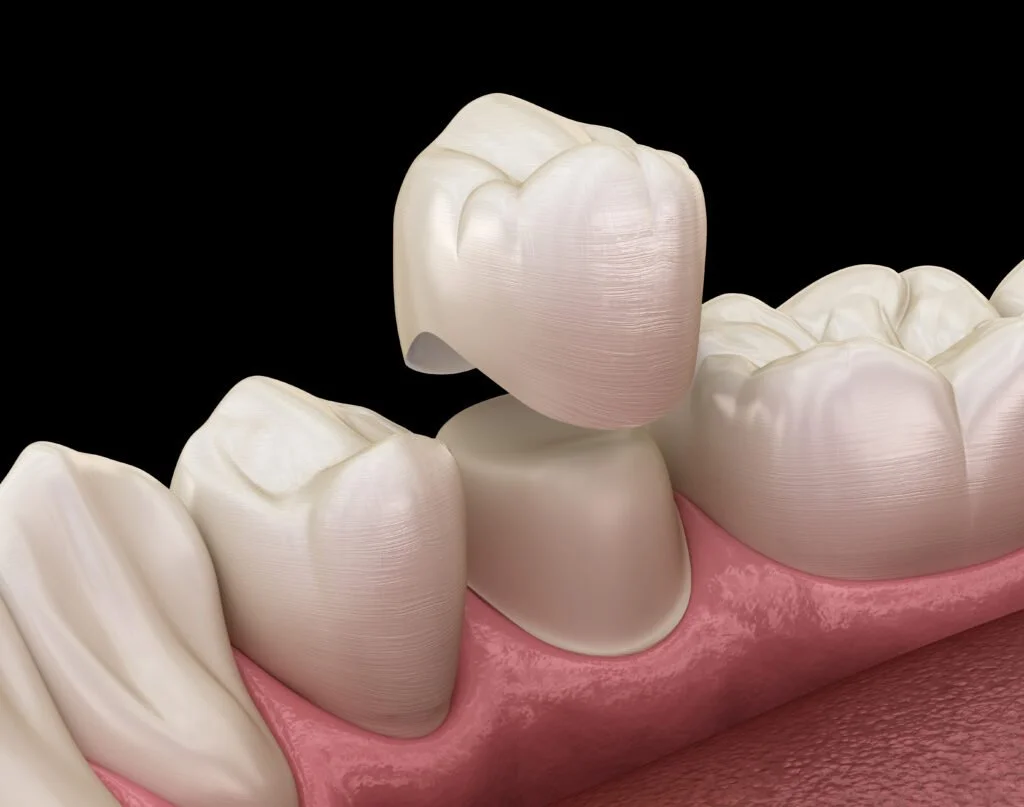
If you have a tooth that is cracked, heavily filled, worn down, or has had a root canal treatment, a dental crown can often be the most reliable way to restore strength and appearance. At Clinic for Implant & Orthodontic Dentistry in Worthing, we provide crowns designed to look natural and function comfortably, with careful planning so the bite feels right.
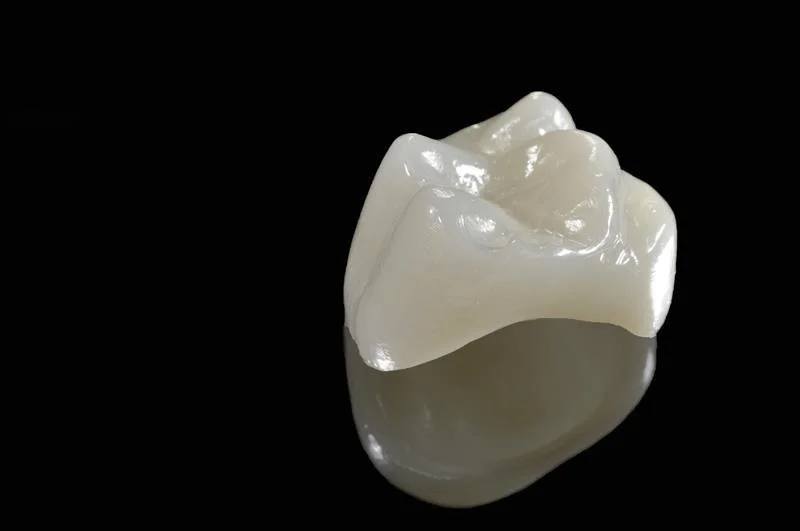
A crown is a “cap” that covers a tooth to protect it and rebuild its shape. Unlike a filling, a crown wraps around the tooth, which can make it a better option when there isn’t enough healthy tooth structure left to support a larger restoration.
When is a crown recommended?
A crown may be advised if you have:
A broken or cracked tooth
A large filling that keeps failing or the tooth is now weak
A tooth that has had root canal treatment (often more brittle afterwards)
Severe wear from grinding/clenching
A tooth that is heavily discoloured or misshapen and you want a longer-lasting cosmetic result
A dental implant (implants are restored with crowns)
If you’re unsure, an examination (and X-rays if needed) lets us confirm whether a crown is the best option or whether a filling/onlay might be more suitable.
Types of crowns (and what they’re best for)
Zirconia crowns Very strong and highly aesthetic. Often a good choice for back teeth and many front teeth where durability matters.
Porcelain (ceramic) crowns Excellent aesthetics, commonly used for front teeth. The best material depends on your bite and how much tooth shows when you smile.
Porcelain-fused-to-metal (PFM) Strong and reliable. Sometimes used where extra strength is needed, although a metal edge can occasionally show if gums recede.
Gold/metal crowns Very durable and kind to the opposing tooth. Usually chosen for back teeth where appearance is less important.
We’ll recommend the material based on the tooth position, your bite, any grinding habits, and the look you want.
How the crown process works (step-by-step)
Assessment and planning We examine the tooth, check the bite, and may take X-rays. If the tooth has decay, cracks, or gum issues, we address these first.
Tooth preparation A small amount of tooth is shaped so the crown can fit properly. We take a digital scan or impression and select a shade to match your other teeth.
Temporary crown (if needed) Many cases have a temporary crown to protect the tooth while the final crown is made.
Fit appointment We try in the crown, check the margins, contact points, and bite, then cement it. The aim is a comfortable fit that feels natural when chewing.
Does getting a crown hurt?
Most patients find it very manageable. We use local anaesthetic so the preparation is comfortable. You may have mild sensitivity for a short period afterwards, especially to cold, but it usually settles. If you grind your teeth, we may recommend a night guard to protect the crown and other teeth.
How long do crowns last?
With good oral hygiene and regular check-ups, crowns can last many years. Longevity depends on:
How well the bite is controlled
Whether you grind/clench
The amount of healthy tooth underneath
Gum health and cleaning habits
Brushing twice daily with fluoride toothpaste, daily interdental cleaning, and routine hygiene visits all help crowns last longer.
Aftercare: what to do after a crown is fitted
Avoid very hard foods on that side for the first day if advised
If the bite feels “high” or uncomfortable, contact us — a quick adjustment can make a big difference
Keep brushing as normal and clean between teeth daily
If you grind your teeth, wear your night guard consistently
Typical costs (and how to get an exact quote)
Crown fees vary depending on material and complexity. We’ll give you a clear estimate after examining the tooth and discussing options. For current prices, please see our Fees page, or contact us and we’ll be happy to advise.
Frequently asked questions: Can a crown be done in one visit?
Most crowns take two visits (preparation + fitting). Some cases may be faster depending on the workflow and complexity.
Will the crown look natural?
Yes — we select a shade to match your teeth, and modern materials (especially ceramics/zirconia) can look very lifelike.
What if my crown comes off?
Keep the crown safe and contact us. Often it can be re-cemented if it’s intact and the tooth underneath is healthy.
Is a crown better than a filling?
If a tooth is heavily filled or structurally weak, a crown can be more protective. If the tooth is only moderately damaged, an onlay or filling may be enough.
Do I need a crown after root canal?
Not always, but many root-treated back teeth benefit from a crown due to increased risk of fracture.
What if I’m nervous?
Let us know — we’ll take it step-by-step and explain each stage clearly.
Book an appointment
If you think you may need a crown (or you’ve been told you need one and would like a second opinion), contact Clinic for Implant & Orthodontic Dentistry, Worthing. We’ll assess the tooth, discuss options, and provide a clear treatment plan and estimate.